One Health Leads
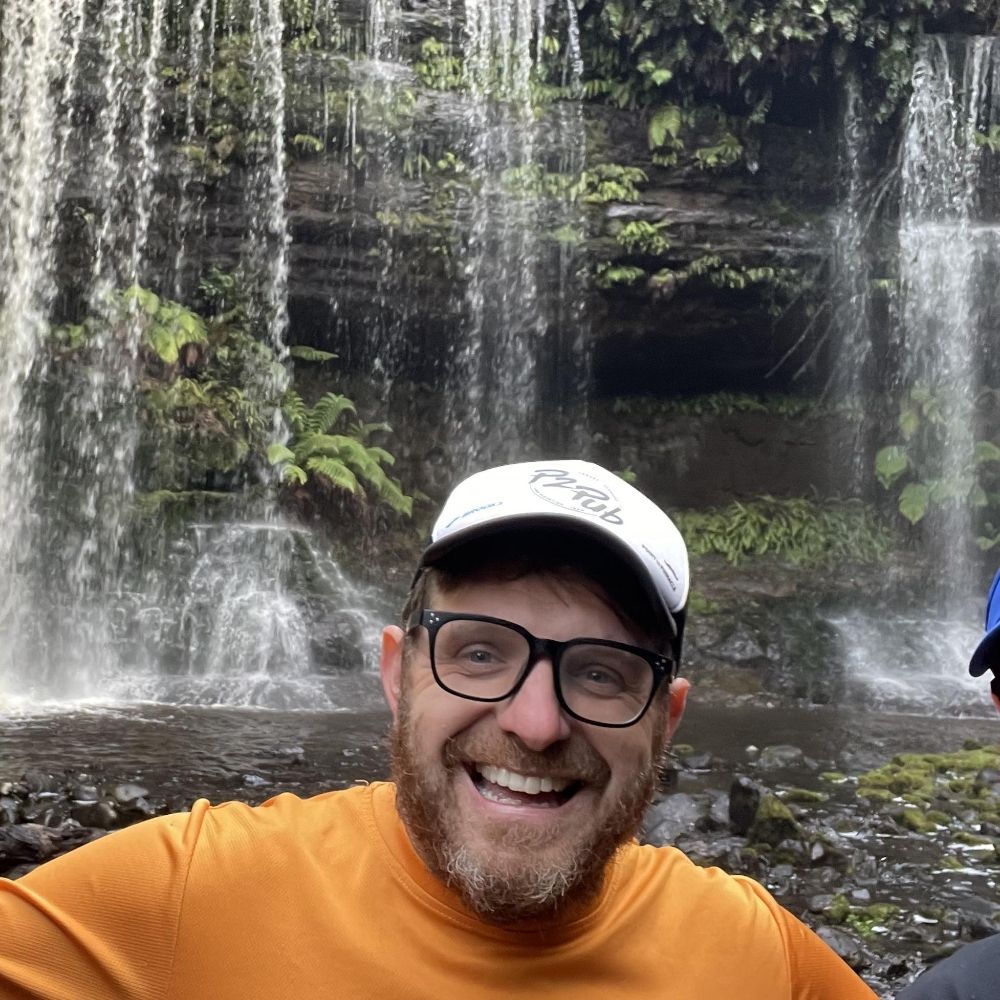
Nick Fountain-Jones
Dr. Nick Fountain-Jones is a lecturer in public health with a focus on
evolutionary disease ecology and One Health. He integrates methods
in epidemiology, ecology, and genomics to understand how pathogens
emerge and evolve, and how these processes affect wildlife,
livestock, and human health. Nick’s research spans a variety of species and ecosystems,
often with a goal of informing evidence-based conservation
and health management strategies. Through cross-disciplinary
collaborations, he has contributed to a deeper understanding
of disease transmission and evolution in a changing world.
See his lab website here: https://nickfountainjones.github.io/
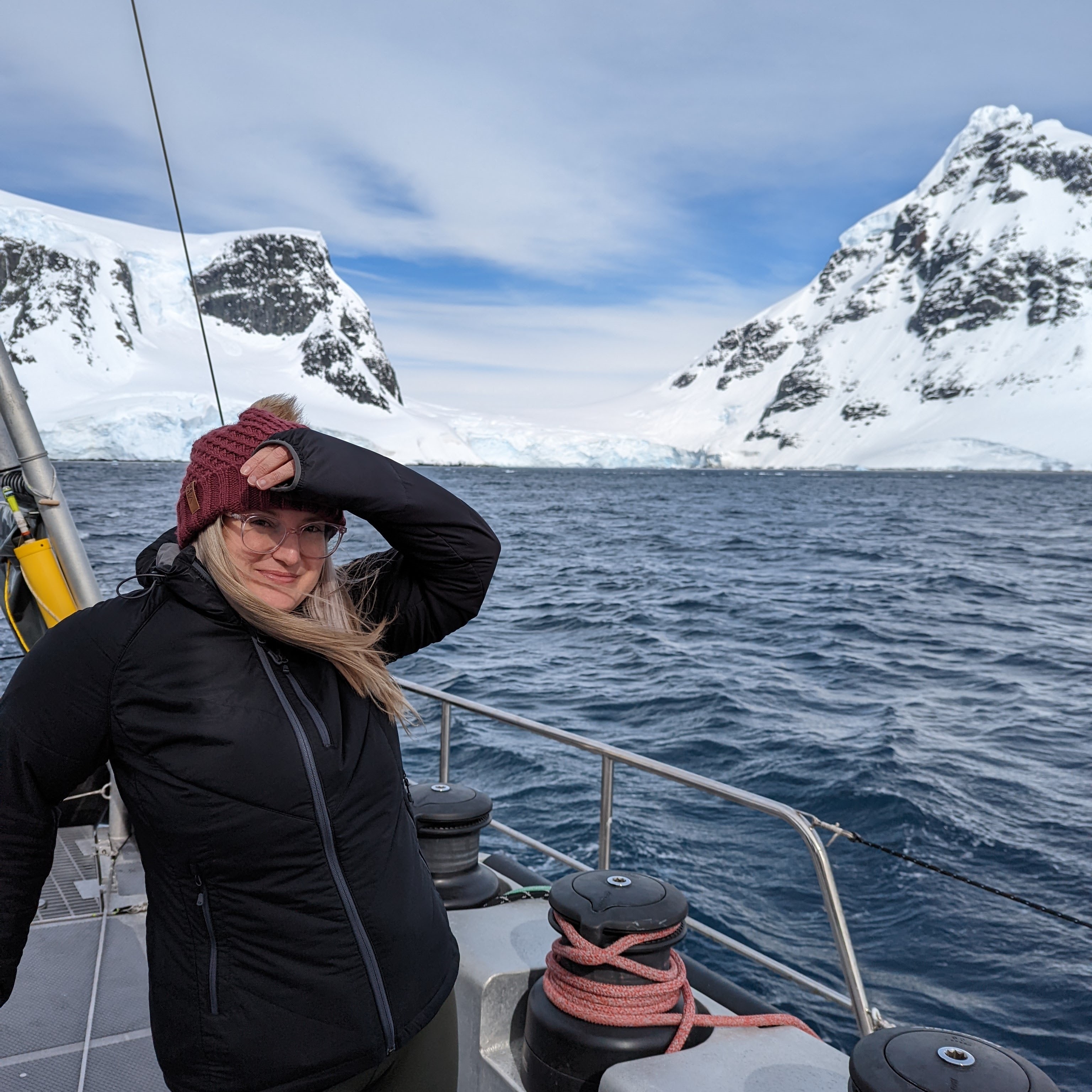
Jane Younger
Dr. Jane Younger is a molecular ecologist and One Health researcher based at the Institute for Marine and Antarctic Studies (IMAS), University of Tasmania. Her research explores the intersection of climate change and ocean health, with a particular focus on seabirds and marine mammals in the Southern Ocean. Jane leads field programs in Antarctica, the sub-Antarctic, and Australia, and brings together insights from genomics and animal behaviour to understand and mitigate disease threats to wildlife. She is also a dedicated science communicator and an advocate for equity in STEM, recognised as a Science & Technology Australia Superstar of STEM.
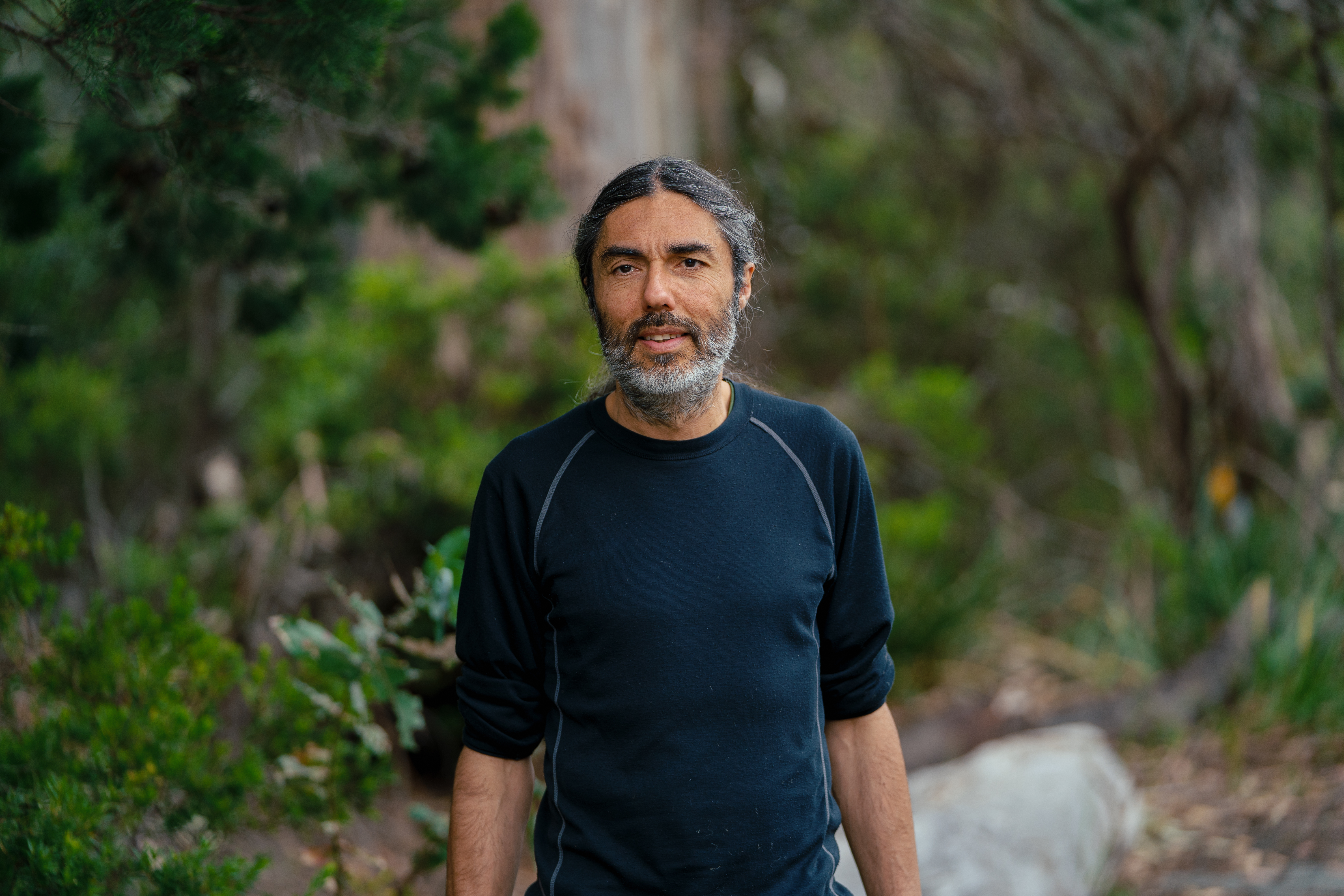
Rodrigo Hamede
Dr Rodrigo Hamede is a senior lecturer in wildlife ecology and One Health researcher with a focus on disease ecology, epidemiology, and host-pathogen interactions. He uses multi-disciplinary frameworks to understand how hosts evolve resilience mechanisms against diseases and the adaptive processes required for host-pathogen coexistence. In 2018 he became hub leader for the International Associated Laboratory Project - CANECEV, a French - Australian initiative aimed at studying the role of cancer in ecological and evolutionary processes. This integrative framework offers a unique platform to foster innovation in cancer ecology and evolution, wildlife immunogenetics and evolutionary medicine, providing novel insights for species under disease and environmental pressures.

Kate Hutson
Dr Kate Hutson leads the Aquatic Animal Health team at Cawthron and is an Adjunct Associate Professor at James Cook University, Australia. She was raised by zoologist parents who instilled a life-long curiosity about nature, biodiversity, and animal behaviour. She founded the Marine Parasitology Laboratory at James Cook University where she led research in fish parasitology, coral disease ecology, and disease management in aquaculture. She joined Cawthron in 2019 and championed the build of New Zealand’s first dedicated Aquatic Biocontainment Facility to advance research on aquatic pests and diseases. Kate contributes to national biosecurity including the development of import health standard regulations and marine disease surveillance.
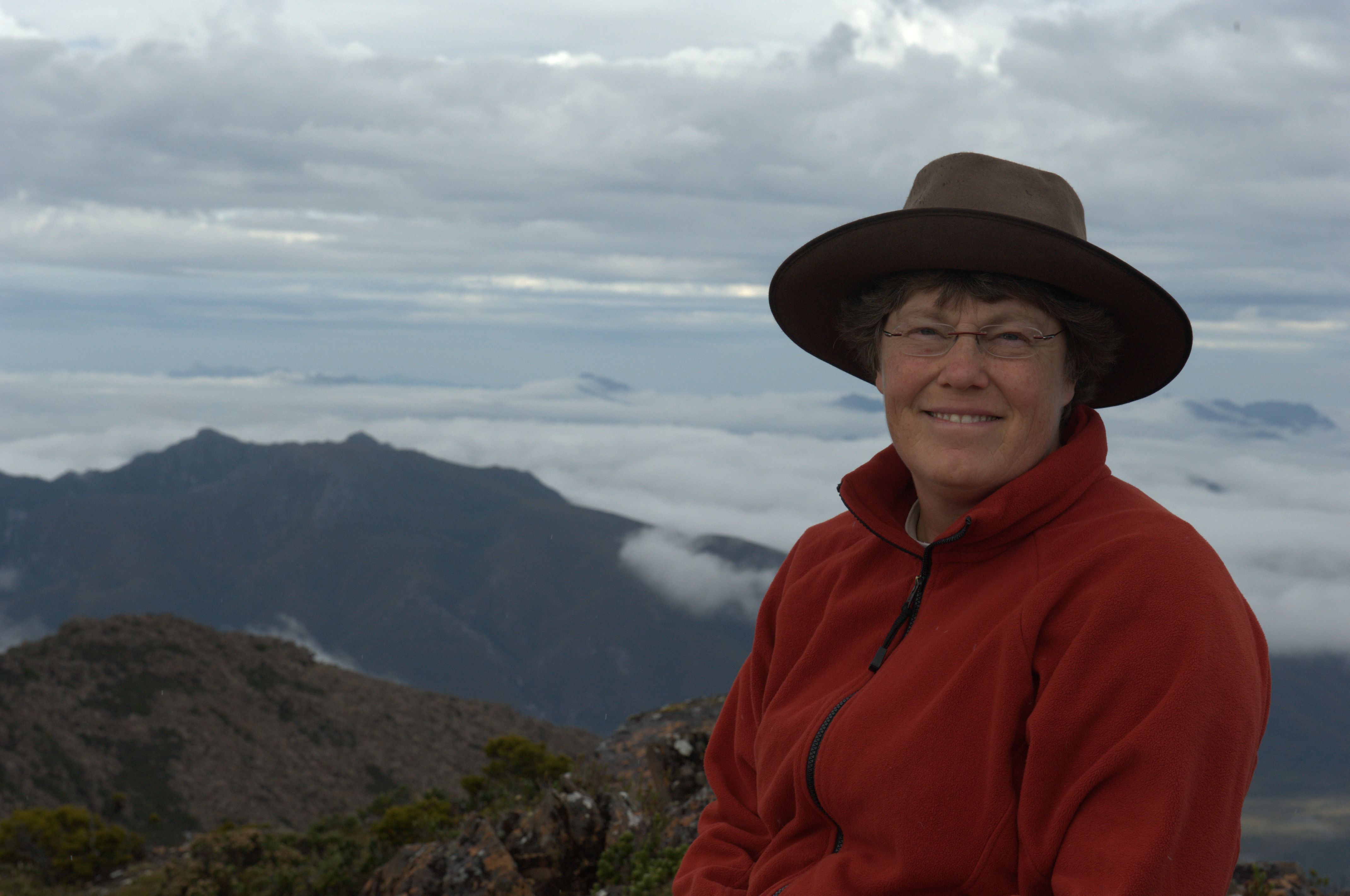
Menna Jones
Prof Menna Jones is a community ecologist in Biological Sciences at the University of Tasmania. She applies complex systems approaches to identifying and experimentally testing ecological levers in large-scale conservation and ecological restoration. Her research has a focus on mammals, particularly marsupial carnivores and feral cats, and how human activities, invasive species and wildlife disease interact to influence species, communities, ecosystems and One Health. Menna co-leads the One Health Working Group in the Lancet Commission on Prevention of Viral Spillover, The Lancet and the Coalition to Prevent Pandemics at the Source.
Current Graduate Students
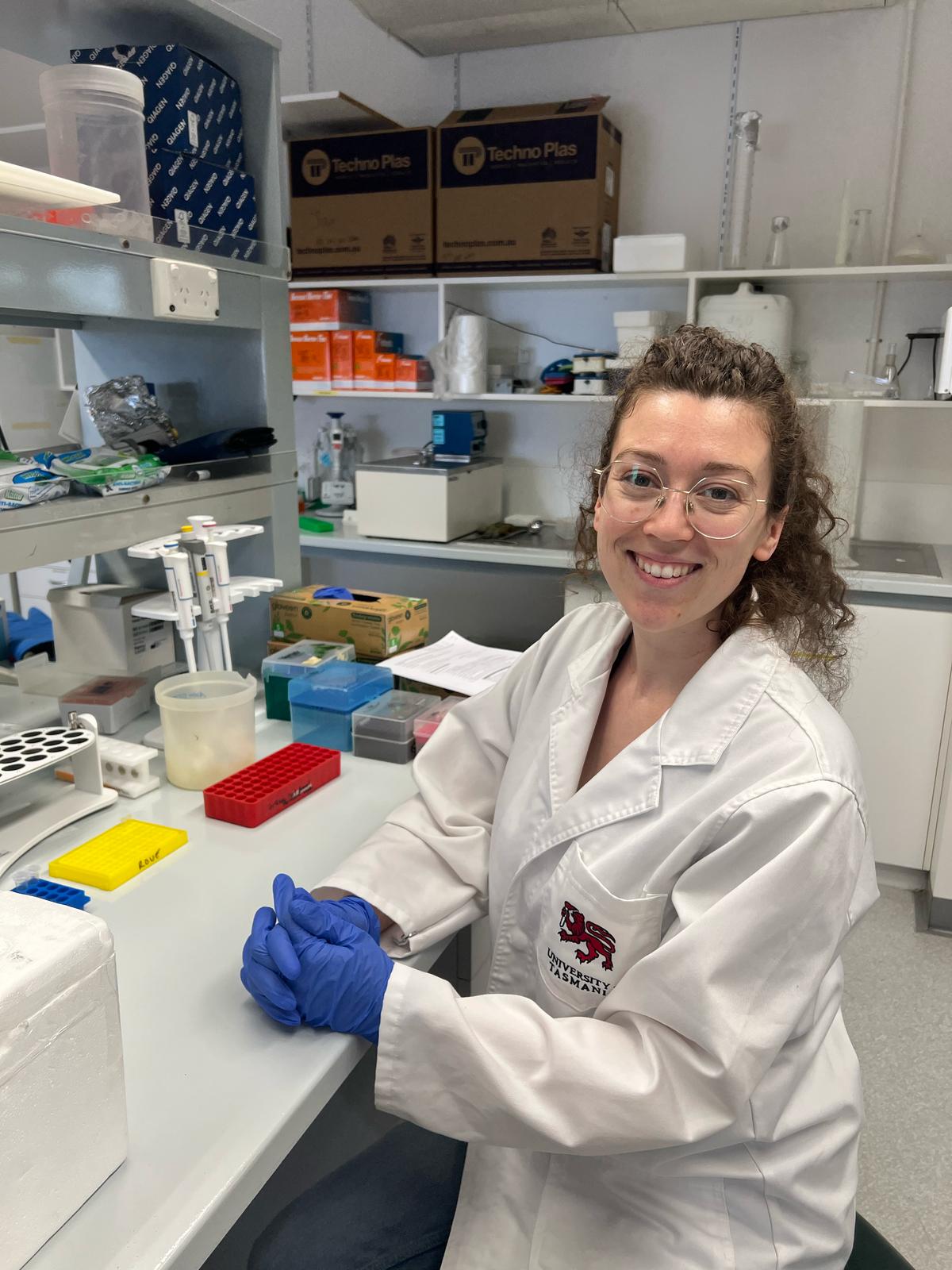
Talia Brav-Cubitt
Talia is a PhD student studying wildlife pathogen transmission using genomic
and epigenetic data, with study systems including Tasmanian devil facial tumour
disease and viruses in seabirds in the Southern Ocean. Talia is from Auckland,
New Zealand, and previously worked as a research technician in the Ecological
Genetics Lab at Manaaki Whenua - Landcare Research. She has broad interests
in using molecular tools to answer questions in conservation biology and
disease ecology. Her work contributes to One Health initiatives by improving
understanding of vector distributions and informing evidence-based health policies.
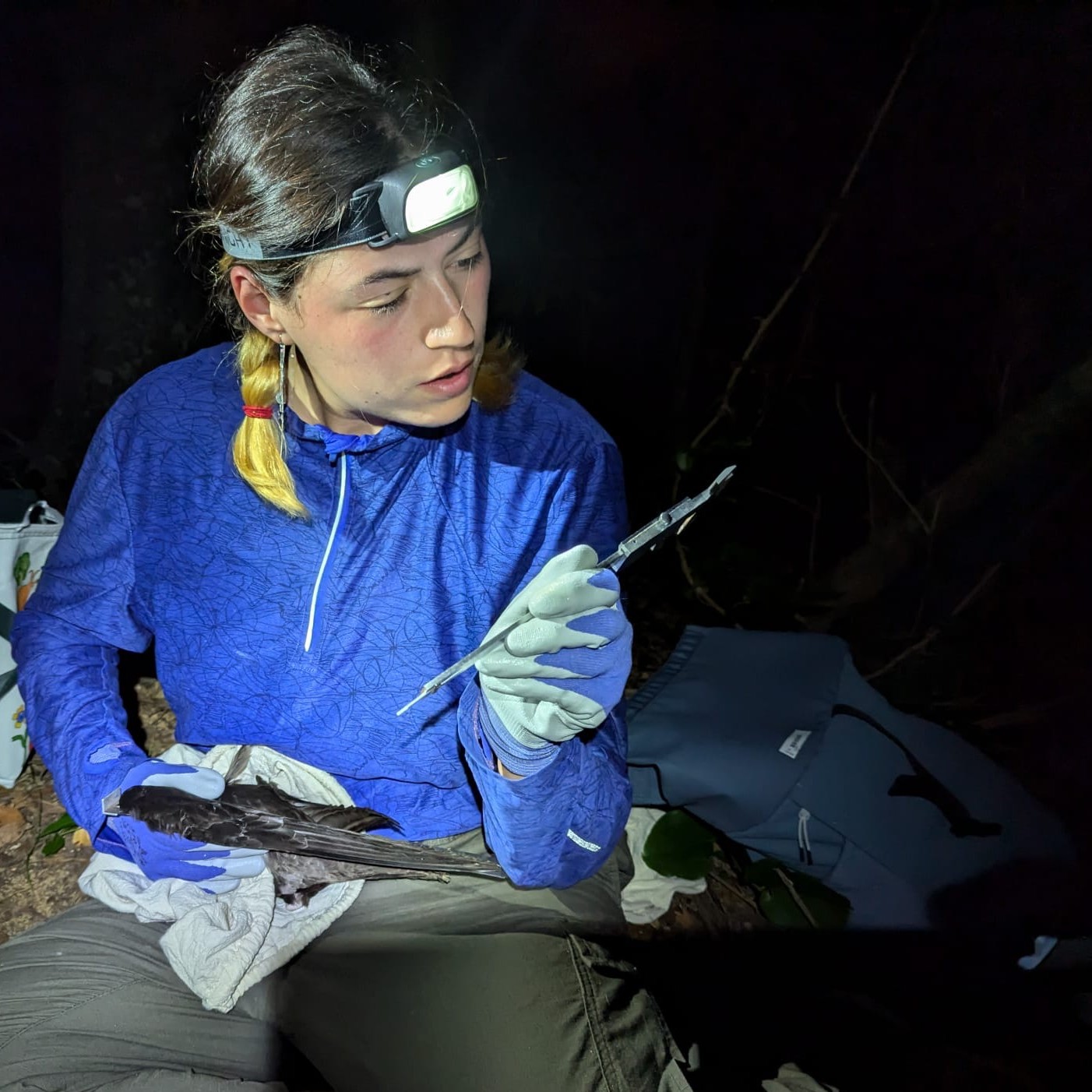
Laura Patier
Laura is a PhD student studying pathogens in wildlife, focusing on Antarctic marine predators and Australian seabirds systems. Her research looks at viromes and microbiomes using new-generation sequencing methods. Laura is from France and comes from a marine ecology background, previously investigating mercury contamination in seabirds. She’s interested in the use of molecular tools and metagenomics to deepen our understanding of disease ecology in wildlife.

Eva Baukes
Eva is an Honours student investigating mosquito distributions in Northeastern Tasmania,
focusing on Culex annulirostris, a key vector of the Japanese encephalitis
virus (JEV). Her research integrates molecular genetics, taxonomic identification, and
virome analysis to assess species composition and arbovirus presence. Eva completed a
Bachelor of Science majoring in Zoology at UTAS and has broad interests in disease ecology,
vector-borne diseases, and the application of molecular tools in conservation biology and
public health. Her work contributes to One Health initiatives by improving understanding
of vector distributions and informing evidence-based health policies.